

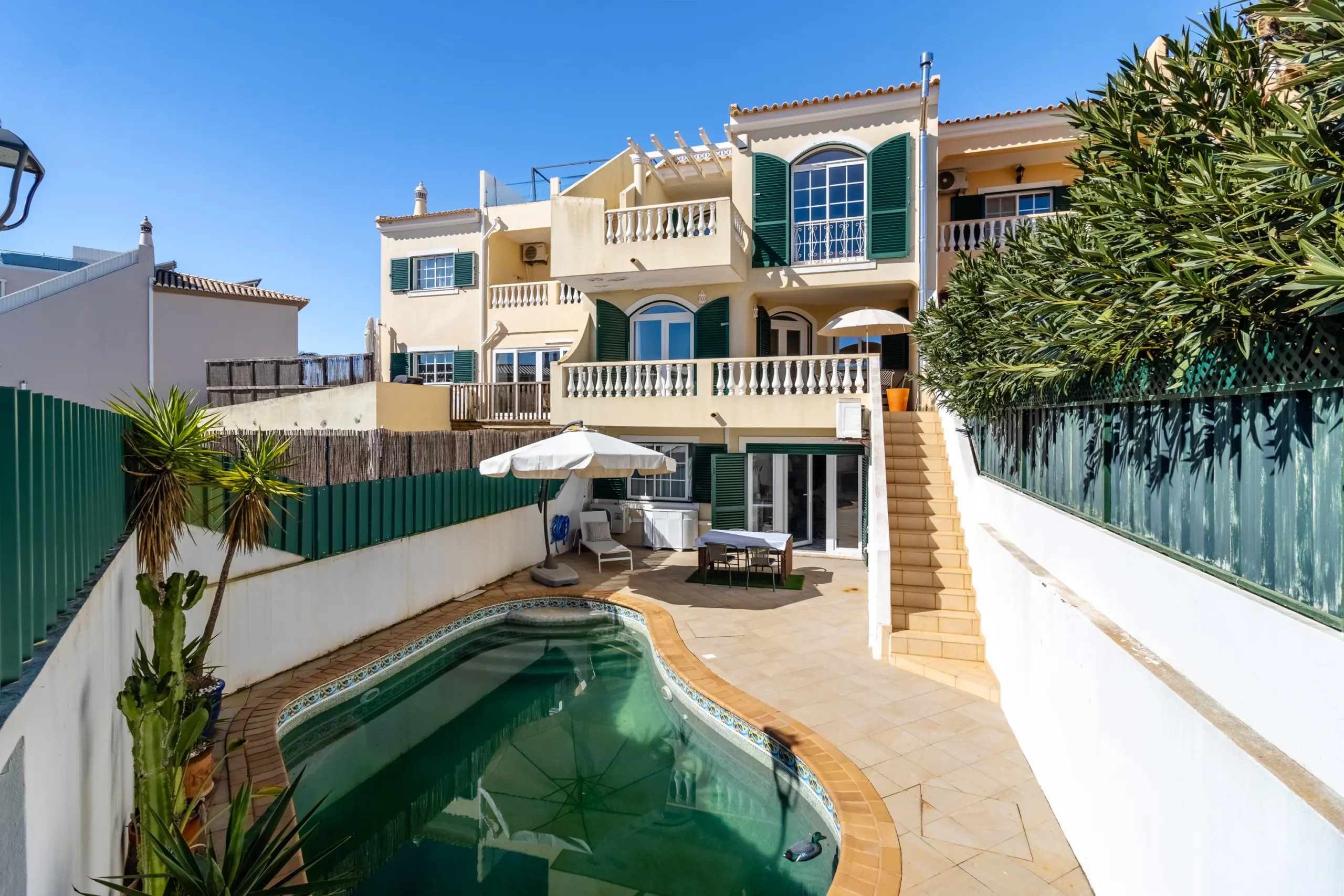
Portugal’s housing shortage has become one of the defining economic challenges facing the country’s property market. Recent analysis suggests that Portugal must dramatically increase the pace of residential construction, potentially tripling the number of homes built each year, to meet demand. This ongoing supply imbalance is also increasing interest in Western Algarve property for sale, where buyers continue to seek homes in one of Portugal’s most desirable coastal regions.
While the headline sounds alarming, the underlying story is more nuanced. For buyers, developers and investors, the structural imbalance between housing supply and demand is shaping one of the most important property trends in Portugal today.
Below, we explore what’s driving the shortage, why construction has struggled to keep pace, and what it means for the future of the Portuguese property market.
The Scale of Portugal’s Housing Shortage
Portugal’s residential construction levels remain far below what is needed to satisfy demand.
Consultancy analysis indicates that the country should be building around 70,000 new homes per year, yet current production sits closer to 20,000–28,000 homes annually.
This gap has created a structural shortage estimated at 150,000 to 200,000 homes nationally, a deficit that continues to grow as demand outpaces supply.
Several trends have intensified the pressure on housing availability:
- Population growth in major cities and coastal regions
- Increased international demand for property
- A decade of under-building following the 2008 financial crisis
- A slow and complex planning system
Even where new homes are being approved, construction pipelines remain constrained. For example, licensing activity for residential buildings has declined in some recent quarters, limiting the future supply of housing units.
Why Portugal Isn’t Building Enough Homes
Despite strong demand, increasing housing supply in Portugal is not straightforward. Several structural challenges continue to limit construction output.
1. Planning and permitting delays
Developers frequently face lengthy planning approval timelines, particularly in popular municipalities. This slows down the conversion of land into new housing projects.
The OECD has noted that improving planning processes and removing investment barriers will be essential if Portugal is to expand its housing stock.
2. Construction labour shortages
The Portuguese construction sector lost a large number of workers after the 2008 crisis, many of whom moved abroad. Rebuilding that workforce has taken time, creating capacity constraints for developers.
3. Rising construction costs
Although cost increases have recently moderated, building new homes remains significantly more expensive than it was a decade ago. Construction costs for new housing have continued to rise year-on-year, with labour costs in particular increasing sharply.
4. An ageing housing stock
Portugal also faces a renovation challenge. According to The Portugal News, around 35.8% of residential buildings require repairs, and a further 4.6% need major structural intervention, meaning part of the existing stock is not easily brought back to market.
Demand Remains Strong
The housing shortage is not simply a supply issue, it is also the result of sustained demand for property in Portugal.
Several factors are driving this demand:
- International buyers relocating or investing
- Growing tourism and lifestyle migration
- Domestic buyers returning to the market
- Government support schemes for young homeowners
What This Means for Property Buyers
For buyers, particularly international investors, Portugal’s housing shortage has several implications.
1. Limited inventory
In many locations, especially coastal areas and major cities, the number of available properties remains constrained. This is particularly evident in lower price brackets, where homes under €200,000 have become increasingly rare in major markets.
2. Long-term price resilience
While short-term price fluctuations are always possible, a structural supply shortage typically supports long-term property values.
This is one reason analysts expect continued stability in Portugal’s property market, even as price growth moderates from the rapid increases seen earlier in the decade.
3. Increased importance of new developments
As resale supply tightens, new developments will play a larger role in meeting housing demand. Projects that successfully navigate planning and construction constraints are likely to attract strong interest from both domestic and international buyers.
A Structural Challenge is Also an Opportunity
Portugal’s housing shortage is clearly a challenge for policymakers and residents. Increasing housing supply will require:
- Faster planning processes
- Greater construction capacity
- Continued incentives for development
- More public housing investment
However, for property buyers and investors, the same imbalance between supply and demand has historically supported long-term market strength.
In other words, while the headlines focus on a housing crisis, the underlying fundamentals tell a different story: Portugal remains one of Europe’s most supply-constrained residential property markets.
And until construction meaningfully accelerates, that dynamic is likely to remain a defining feature of the market for years to come.