

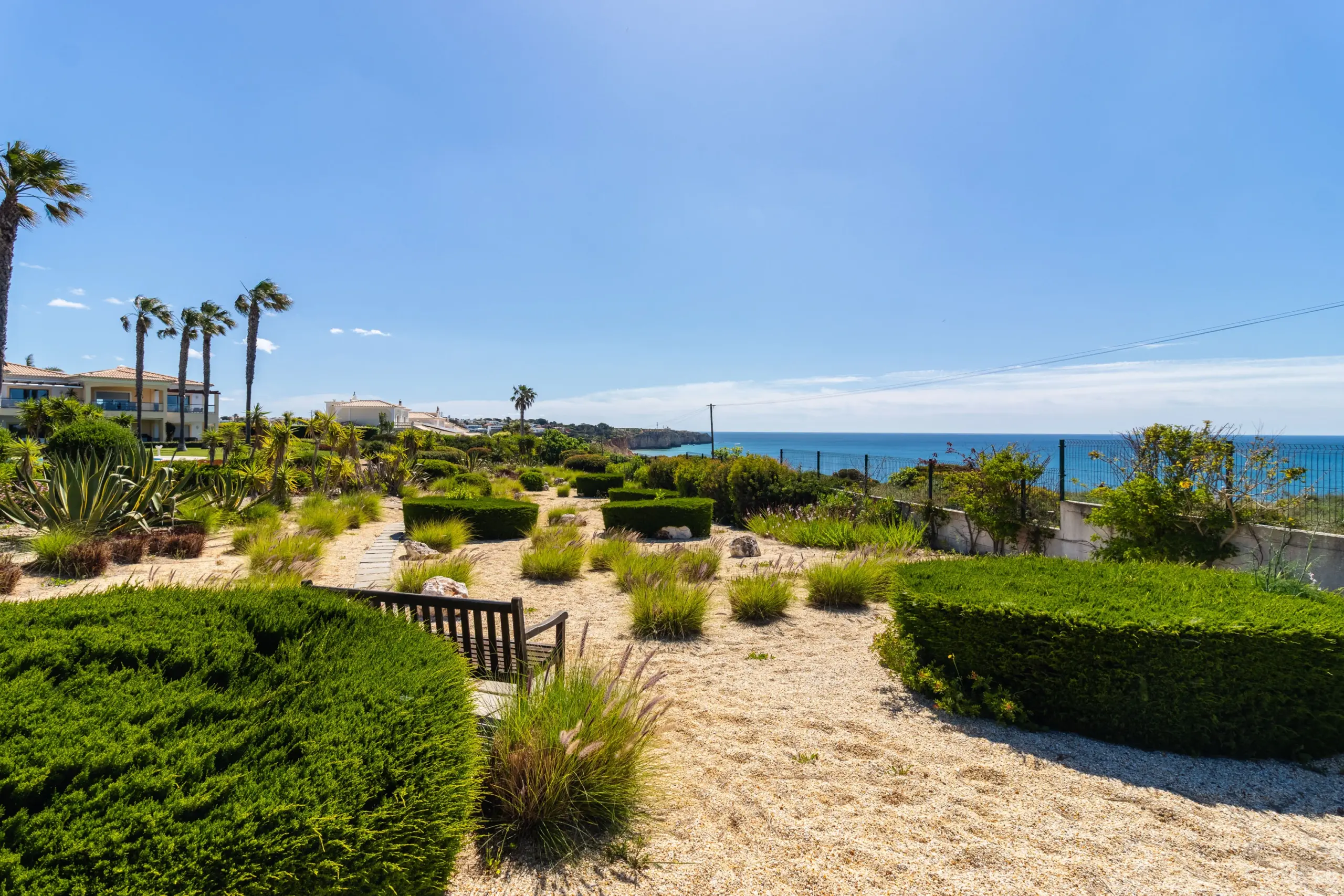
Many overseas buyers who fall for a property around Lagos or the wider western Algarve cannot easily be in Portugal for every step of the purchase, and the final deed is fixed for a specific day that rarely suits both a notary’s diary and a long-haul flight. In many cases the practical answer is a procuracao, a Portuguese power of attorney that lets someone you trust act for you while you stay at home. It is common in cross-border purchases, but it hands real authority to another person, so it works best when drawn narrowly. This piece sets out what it is, how it is made, and how to keep it safe.
Quick Answer
Can you buy property in the Algarve without attending in person?
- Yes, by granting a procuracao, a power of attorney, to someone who attends for you
- It can cover signing the CPCV and escritura, opening a bank account, obtaining a NIF and settling taxes
- A specific, limited power tends to be safer than a broad general one
- It is usually held by your own advogado, not by the seller or the seller’s side
- Sign it abroad with notarisation and an apostila, or make it directly in Portugal
What a Procuracao Actually Is
A procuracao is a formal authorisation that lets a named person, the attorney or procurador, carry out defined acts on your behalf. In a property purchase it lets your representative sign at the notary’s table in your place, with the same legal effect as if you were there yourself. The notary and Land Registry read it closely, and your attorney can only do what it permits.
Why Overseas Buyers Use One
The most common reason is distance. A buyer in the UK, the Netherlands or North America may not be able to return for the escritura on the agreed date, and a purchase cannot wait indefinitely for calendars to align. A procuracao also smooths the earlier groundwork, since steps such as obtaining a NIF or opening a bank account are easier through a representative on the ground, as our notes on what happens after your offer is accepted set out.
What Powers It Can Grant
The powers are whatever you choose to include, and a well-drafted document lists them precisely rather than in sweeping terms. Typical powers for a remote purchase are:
- Signing the CPCV, the promissory contract, on the agreed terms
- Signing the escritura, the final deed, before the notary
- Obtaining a NIF, the Portuguese tax number, on your behalf
- Opening a Portuguese bank account in your name
- Paying the IMT, stamp duty and registration fees from your funds
General Versus Specific Powers
A general procuracao grants broad authority across many types of act and many transactions. It is convenient, but it gives the holder wide latitude, which is more than most buyers need for a single purchase. A specific or limited procuracao is tied to one named purchase and the steps it involves, and in many cases this is the safer choice, because it confines the attorney to the task in hand and tends to expire once it is done. The Ordem dos Advogados maintains the public register of qualified Portuguese lawyers if you want to confirm who holds it.
How It Is Executed and Notarised
There are two routine routes. You can make the procuracao in Portugal, signed before a Portuguese notary while you are visiting, or execute it in your home country, which is what most buyers do when a trip is not practical. Where it is signed abroad, it is normally notarised locally and then legalised with an apostila under the Hague Convention so that Portugal recognises it, with a certified Portuguese translation usually required too. The detail varies by country, so this belongs with your lawyer.
Choosing Who Holds It, Revocation and Safeguards
In most remote purchases the procuracao is granted to the buyer’s own advogado or a member of their firm, which keeps the authority with a regulated professional who acts in your interest rather than anyone connected to the seller. It is generally unwise to grant it to the other side, since the holder signs binding documents and handles money in your name.
A procuracao can be revoked if circumstances change, provided this is done formally and communicated properly, and a specific power with an end point also limits how long the authority lasts. The practical safeguards are usually the same: keep the document specific to the purchase, time-limited where possible, and held with your own lawyer. Our note on property law before buying in the Algarve and our deed guide for property in Portugal give the wider context.
Common Mistakes
- Granting a broad general power when a specific one would cover the purchase
- Leaving the procuracao open-ended with no end date or completion point
- Handing the authority to someone connected to the seller’s side
- Signing abroad without the apostila or the certified Portuguese translation
- Forgetting to formally revoke a power once the purchase has completed
Summary
A procuracao is the routine way overseas buyers complete a purchase around Lagos and the western Algarve without being present for every signature. Used well, it is specific, time-limited and held by your own advogado, covering the real steps from the NIF and bank account through to the escritura. The taxes it authorises your attorney to settle are administered by the Portuguese Tax Authority, and the drafting belongs with a lawyer.
If you are looking at property in our patch and expect to be buying from abroad, get in touch with B&P Real Estate. We can help you find the right property and advise on the property itself, and point you to the Portuguese lawyers we work with for the legal side.