

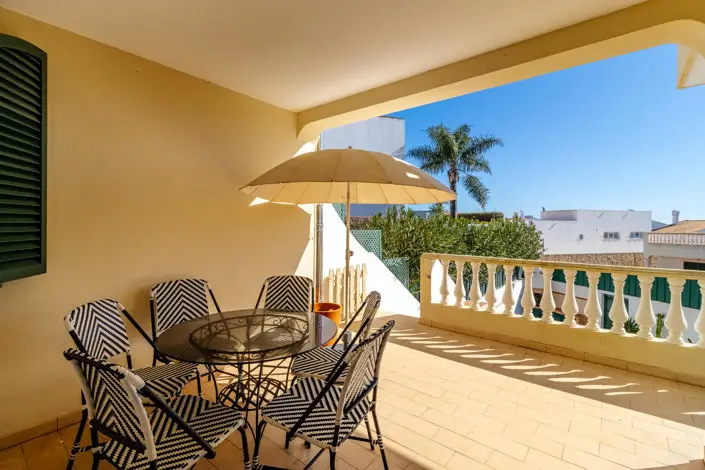
How negotiation works in Portugal
Property negotiation in Portugal typically takes place after a formal written offer is submitted and before the Promissory Contract (CPCV) is signed. Working with experienced estate agents Lagos Portugal can help buyers negotiate effectively, understand local market conditions, and navigate each stage of the purchase process with confidence.
In most cases:
- The asking price is a starting point, not a fixed value
- Offers are submitted through the estate agent
- Sellers may accept, reject or counteroffer
- Negotiation is influenced by market conditions, comparable sales and financing constraints
Unlike some markets, negotiation in Portugal is less aggressive and more evidence-based, particularly in established areas such as the Algarve.
When negotiation happens
Negotiation begins once a buyer has:
- Viewed the property
- Confirmed interest
- Submitted a formal offer (usually in writing)
At this stage:
- The property is still actively marketed unless a reservation is agreed
- Multiple buyers may be negotiating simultaneously
- The seller is not obliged to remove the property from the market
The negotiation period typically lasts from a few days to several weeks, depending on the level of interest and price alignment.
How offers are structured
In Portugal, offers are usually presented in a simple format but often include key conditions.
Typical elements:
- Offered purchase price
- Payment structure (cash or mortgage)
- Proposed timeline for signing the CPCV
- Any conditions (e.g. subject to financing or survey)
Agents will communicate offers directly to the seller and relay any response.
How much can you negotiate in Portugal?
There is no fixed negotiation percentage.
In practice:
- Well-priced properties in prime locations → often sell at or very close to asking price
- Properties requiring renovation or with extended time on market → may see reductions of 5–10% or more
- Overpriced listings → may ultimately sell significantly below initial asking levels
In areas such as Lagos and the western Algarve, negotiation is typically situational rather than expected.
What influences negotiation outcomes
1. Comparable sales (most important factor)
Buyers and lenders rely on recent transaction data.
This includes:
- price per square metre
- sales within the same building or area
- property condition
If an offer aligns with comparable evidence, it is more likely to be accepted.
2. Property condition
Homes that require renovation or upgrades tend to attract stronger negotiation.
Move-in ready properties with modern specifications generally achieve higher pricing with less flexibility.
3. Time on the market
The initial weeks of marketing are the most active.
- Early offers → closer to asking price
- Longer time on market → increased likelihood of negotiation
4. Buyer profile
Sellers often consider:
- cash buyers vs mortgage buyers
- speed of transaction
- reliability of funding
A lower offer from a cash buyer may be preferred over a higher offer subject to financing.
5. Mortgage valuations
If a purchase involves financing, the bank valuation can affect the agreed price.
If the valuation comes in below the agreed figure:
- the buyer must increase their deposit, or
- the price is renegotiated
In many cases, renegotiation occurs.
Is negotiation expected in Portugal?
Negotiation is common, but not guaranteed.
In balanced or competitive markets:
- correctly priced properties may receive offers quickly
- sellers may not accept reductions
In less competitive segments:
- negotiation is more likely
- pricing adjustments are more common
The assumption that every property can be negotiated is not accurate in the current market.
How negotiation differs from other countries
Compared with markets such as the UK:
- Offers are less likely to involve bidding wars
- Gazumping is less common once a CPCV is signed
- Transactions become legally binding earlier in the process
Compared with some international markets:
- Negotiation is typically more measured
- Decisions are more closely tied to data rather than sentiment
What happens after negotiation is agreed
Once both parties agree on a price:
- The Promissory Contract (CPCV) is signed
- A deposit is paid (typically 10–30%)
- The property is effectively reserved
- Legal checks and financing are completed
- Final deed (Escritura) is signed at a later date
At this point, renegotiation is uncommon unless issues arise during due diligence.
Common mistakes buyers make
Assuming large discounts are standard
In many cases, they are not (particularly in prime Algarve locations).
Ignoring comparable data
Offers not aligned with market evidence are less likely to be accepted.
Focusing only on price
Terms such as speed, certainty and conditions often influence the outcome.
Overlooking valuation limits
Mortgage-backed purchases are constrained by bank valuations.
More Structured Negotiation Environment
Property negotiation in Portugal has become more structured in recent years.
Buyers are:
- reviewing multiple properties
- comparing price per square metre
- assessing total ownership costs
This has reduced speculative pricing and increased the importance of accurate initial positioning.
Considering Buying Property in the Algarve?
At B&P Real Estate, we work with buyers across the region, providing guidance on pricing, negotiation strategy and property selection based on current market conditions.