

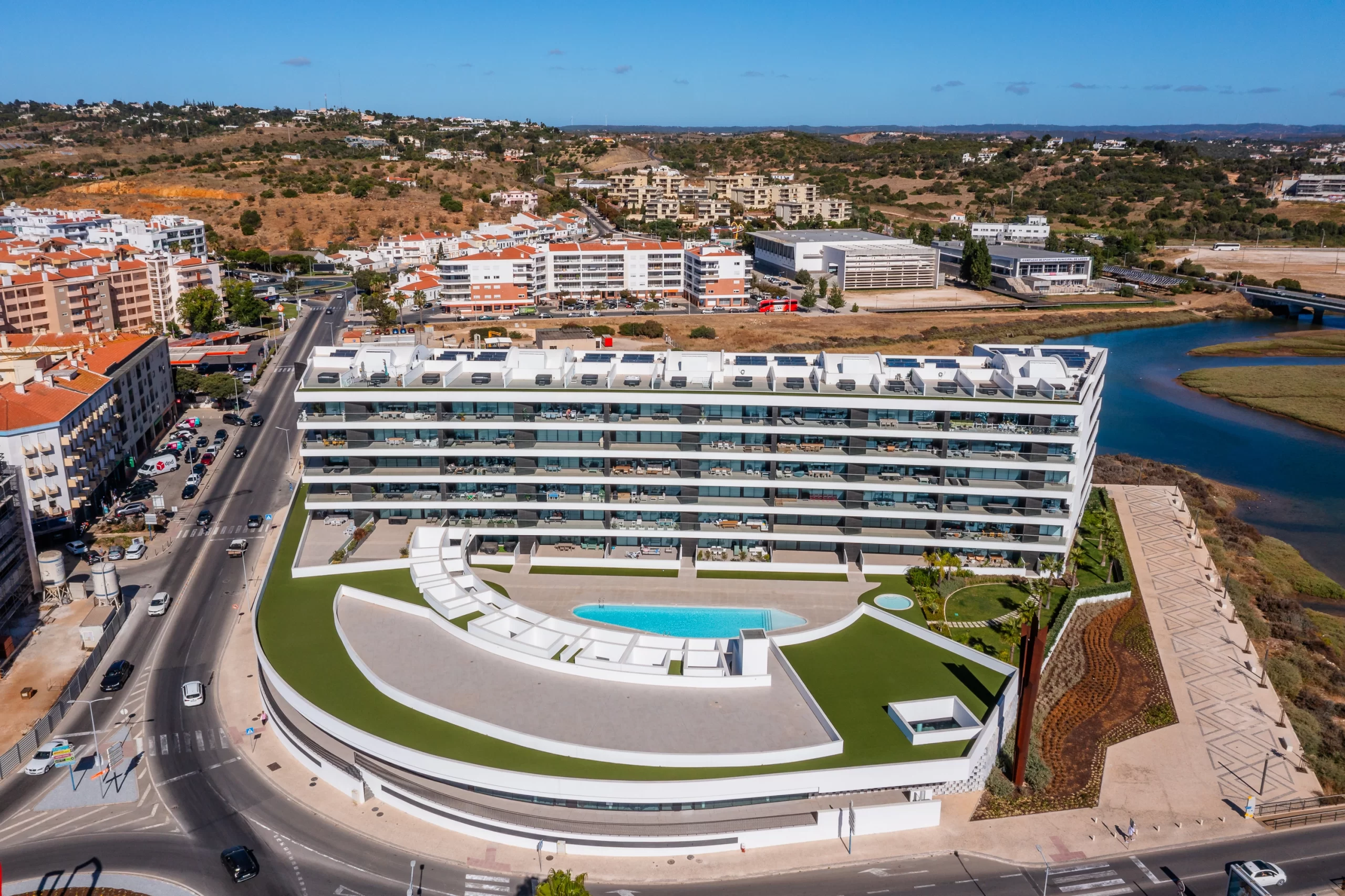
Yes, but only in specific micro-locations, and only if your day-to-day lifestyle matches the geography of the town.
Lagos is one of the few Algarve markets where a car is optional rather than essential, but that depends entirely on where you buy or rent.
The Walkable Core – Where a Car Becomes Unnecessary
You can live fully car-free if your property is within:
- the historic centre (Centro)
- the Marina
- the Avenida / riverfront zone
- Ameijeira (lower section)
In these areas you have:
- supermarkets
- cafés and restaurants
- coworking spots
- the train station
- the intercity bus terminal
- beaches within walking distance
The old town in particular is almost entirely pedestrianised, which is why it attracts younger expats and remote workers who prioritise a walkable lifestyle.
Daily life becomes a 5-15 minute walking radius.
Where You WILL Need a Car
A car becomes necessary in:
- Porto de Mós (upper section)
- Atalaia
- Funchal Ridge
- golf resort locations
- countryside villas
These areas have:
- steep topography
- low commercial density
- limited public transport frequency
Walking back from the beach in Porto de Mós, for example, is not practical for daily living due to the gradient.
Public Transport – Functional, Not Lifestyle-Oriented
Lagos has:
- regional trains
- intercity buses
- local bus routes
Costs are low (≈ €30/month for a pass), but the system is designed for connection not convenience.
It works well for:
- airport transfers
- travel to Portimão / Faro
It does work as well for:
- school runs
- late-night movement
- beach-hopping in summer
The Beach Factor Most Buyers Miss
If your lifestyle includes:
- daily beach use
- surfing
- sunset walks
then distance matters more than town walkability.
From the Marina or old town:
- Meia Praia – walkable
- Dona Ana / Porto de Mós – not walkable for daily use
Car-Free Buyer Profiles That Work in Lagos
Car-free living suits:
- Digital nomads
- Couples without children
- Winter residents
- Long-stay lifestyle buyers
It does not suit:
- Families doing school runs
- Golf-focused buyers
- Villa owners outside town
Property Types That Support Car-Free Living
Best fit:
- central apartments
- Marina developments
- renovated old-town properties
More difficult:
- hillside villas
- low-density urbanisations
Frequently Asked Questions
Is Lagos a walkable town?
Yes, but only in the central areas. The historic centre, Marina, Avenida and lower Ameijeira allow most daily tasks to be completed on foot within 5–15 minutes. Outside these zones, distances, gradients and low service density make walking impractical for everyday living.
Which beaches can you walk to from the centre of Lagos?
Meia Praia is the only beach that is realistically walkable for regular use from the Marina and train station side of town. Beaches such as Dona Ana, Camilo and Porto de Mós are technically reachable on foot, but the return journey involves steep climbs and is not practical on a daily basis.
Is public transport good enough to live in Lagos without a car?
Public transport is reliable for regional connections, including travel to Faro, Portimão and the airport. It is not designed for day-to-day convenience. Evening services are limited, and reaching low-density residential areas or multiple beaches in one day without a car is difficult.
Do most full-time residents in Lagos own a car?
Yes. Even many residents who live centrally keep a car for supermarket trips, medical appointments, winter weather and exploring the wider Algarve. Car-free living is possible, but it is a lifestyle choice rather than the default.
Is it cheaper to live in Lagos without a car?
In central locations, yes. You avoid purchase costs, insurance, fuel and parking. Many buyers choose to allocate that budget to a better-located apartment instead, which also tends to hold stronger resale demand.
Can families live in Lagos without a car?
In most cases, no. School runs, activities, larger food shops and healthcare access make a car necessary for family life unless everything is within a very tight central radius.
Are there taxis and ride-hailing services in Lagos?
Yes. Uber, Bolt and local taxis are widely available and affordable for occasional use. Many central residents rely on them instead of owning a vehicle.
Which property types are best if you don’t want a car?
Modern central apartments, Marina developments and renovated properties in the historic centre offer the best combination of walkability, services and transport access. Low-density villa areas are not suited to car-free living.
Does living car-free affect resale value?
Properties in walkable locations typically have broader appeal, especially among international buyers, digital nomads and downsizers. Demand for central, low-maintenance homes remains consistently strong compared with car-dependent locations.