

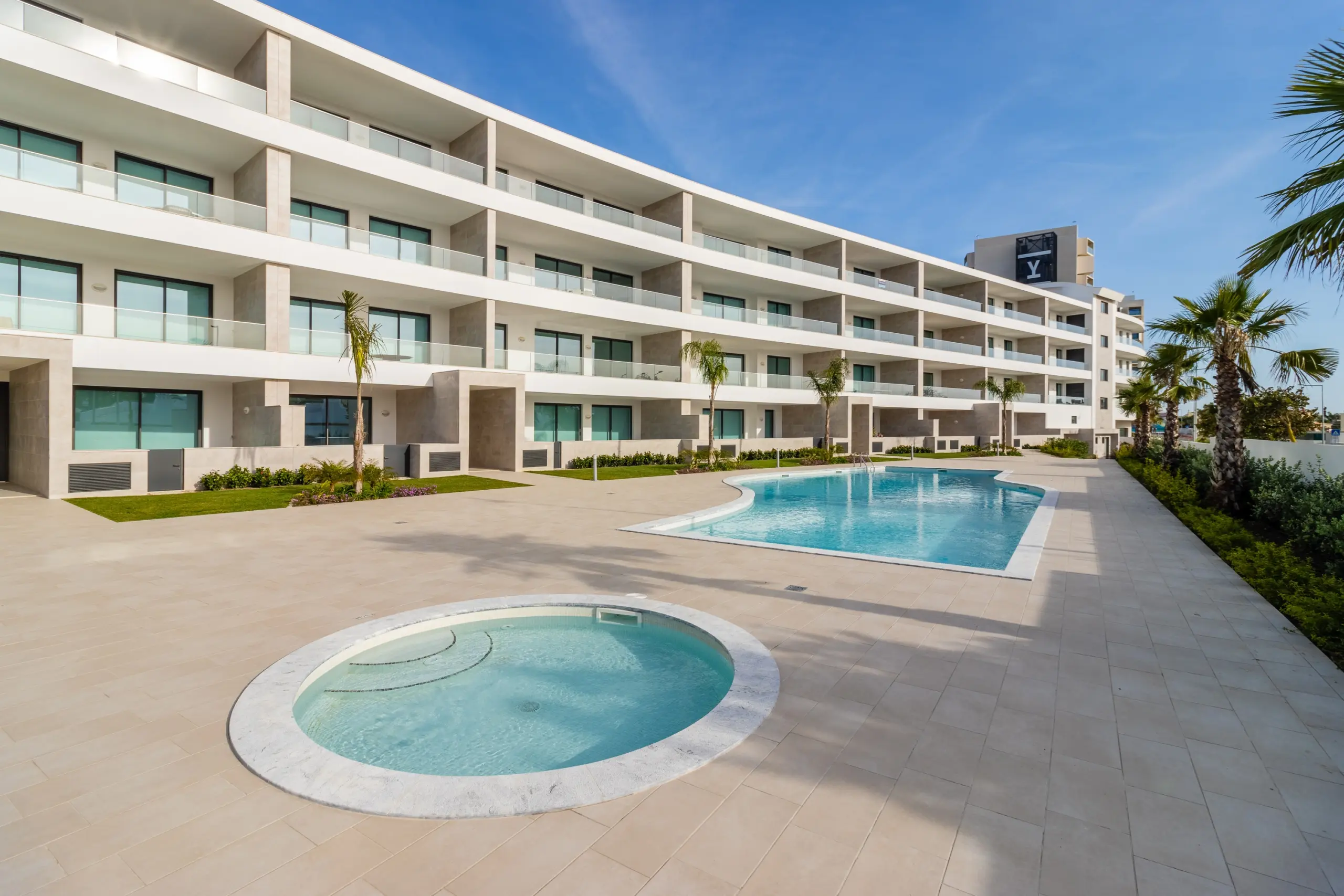
Most buyers in Lagos focus heavily on the property itself. They look at the finish, the orientation, the view, the floor plan. What often receives less attention is how the building around it is managed, and whether the condominium behind the apartment is well run or not.
This matters more than it sounds. A well-positioned apartment in a poorly managed building can become a continuing source of cost, conflict, and compromise. Reviewing the condominium accounts before making an offer is one of the most useful forms of due diligence a buyer can carry out.
What a Condominium Is Responsible For
In a typical Lagos apartment building or gated villa complex, the condominium covers:
- Building insurance
- Lift servicing and maintenance
- Landscaping and shared gardens
- Pool maintenance where applicable
- Reception or concierge costs
- Cleaning of common areas
- A reserve fund for larger works
The costs of these are split between owners, usually based on the permillage (permilagem) of each unit in the building’s constitutive title.
What to Request Before Making an Offer
The key documents to request from the seller or selling agent are:
- The latest annual accounts, usually from the previous year
- The minutes of the most recent general assembly
- Any record of extraordinary contributions (derramas) proposed or approved
- A statement confirming whether the seller’s own fees are paid in full
These documents give a clearer picture than any summary conversation with the selling agent.
What the Accounts Actually Tell You
A healthy condominium generally shows:
- Income from owner contributions that covers operating costs with a surplus
- A reserve fund that is actually funded year on year, not just nominally created
- No meaningful accumulation of unpaid fees from individual owners
- Maintenance spending distributed across routine items such as servicing, insurance, and gardening, rather than concentrated in emergency repairs
A problematic set of accounts typically shows the opposite:
- An empty or under-funded reserve
- Historical unpaid contributions from multiple owners
- Large one-off repair costs that indicate deferred maintenance catching up
- Pending or threatened legal claims between owners
The latter category is not necessarily a deal-breaker, but it is a signal that should be priced into the offer.
The Derrama Question
Extraordinary contributions (derramas) are the largest hidden risk in Lagos condominium buying. A derrama may be required to fund:
- A building façade repair
- Waterproofing or structural work
- Lift replacement
- Pool resurfacing or infrastructure upgrades
Important questions to ask before committing:
- Has a derrama been proposed but not yet approved?
- Has a derrama been approved but not yet collected?
- Are there known works likely to require a derrama in the next 2 to 3 years?
Any liability that has been approved but not collected before completion typically transfers to the buyer. In some cases, this can be meaningful, ranging from a few thousand euros to 20,000 euros or more for larger structural works.
The Role of the Condominium Manager
Most condominiums in Lagos are managed by a third-party company that handles bookkeeping, compliance, and repair coordination. The quality of the management company matters.
Signs of a well-managed condominium include:
- Accounts are issued promptly each year
- General assemblies are held annually and attended by a reasonable share of owners
- Minutes are clearly written and circulated
- Repairs are commissioned and completed within reasonable timelines
- Communication with owners is consistent
Where any of these are missing, the building may function well for now, but the risk of gradual deterioration is higher.
Differences by Building Type
Older buildings in central Lagos often have smaller condominiums with lower fees but fewer reserves. Shared facilities are limited, but deferred maintenance can accumulate quietly and surface as a large derrama later.
Modern apartment complexes with pools, gardens, and shared amenities carry higher fees but tend to have more structured management. The reserve fund is usually more robust, and routine works are funded from ongoing contributions rather than one-off contributions.
Gated villa complexes fall in between. Costs depend heavily on the quality of the landscaping, the presence of security, and whether pools are shared or private.
Beyond the Accounts
A condominium review should also cross-check a few practical items that do not always appear in the accounts themselves. Whether the property is up to date on IMI. Whether the deed matches the registered built area. Whether any shared spaces have been converted to exclusive use without formal authorisation. These can all affect the real cost of ownership and are easier to resolve before completion than after.
What This Means in Practice
The condominium is an ongoing financial and operational relationship that continues long after the purchase. Reviewing its accounts before committing gives a clearer view of:
- The true annual cost of owning the apartment
- The likelihood of a derrama within the first few years
- The quality of management affecting the building’s long-term value
- Whether there are structural or legal issues the asking price should reflect
The time to ask these questions is before signing, not after.
Summary
A condominium’s accounts are often treated as a paperwork item rather than a due diligence step. In Lagos, that treatment can be expensive. A thirty-minute review of the latest accounts, minutes, and planned works gives buyers an informed view of what they are really purchasing and whether the price on the table reflects it.
If you are considering an apartment purchase in Lagos and would like a view on the condominium position before you offer, please get in touch.